The most common buying regret on Reddit isn’t “I spent too much.” It’s the opposite. It’s “I bought the cheap one four times before I bought the good one.”
That pattern shows up everywhere once you start looking for it. Someone replaces a non-stick pan every year for a decade, then buys one stainless pan and never shops for a pan again. Someone burns through gas-station charging cables until they try a better brand. The cheap version felt frugal each time. Added up, it cost more than the good one would have.
This article is about those categories. Not “buy expensive things.” Some cheap stuff is genuinely fine, and there’s an honest section below about which. This is specifically about the products where buying cheap, again and again, is the expensive choice.
Key takeaways
- Cheap isn’t always cheap. Some categories punish you for rebuying the lowest-priced option. Those are the ones worth upgrading once.
- The clearest example is non-stick pans. People replace them yearly. One stainless or cast iron pan ends the cycle for decades.
- The upgrade has to be something you use often. A daily item earns the better version fast. A once-a-year item doesn’t.
- Plenty of cheap stuff is fine. There’s a real list below of where the budget option wins, so this isn’t just “spend more.”
The pattern: when cheap is the expensive choice
The shape is always the same. The cheap version does the job at first. Then it fails, or wears out, or annoys you enough that you replace it. You buy another cheap one because it felt wasteful to spend more. Repeat. Five years later you’ve spent more than the good version cost, and you’ve been mildly annoyed the whole time.
The clearest test for whether a category punishes cheap: does the cheap version have a built-in expiration? Non-stick coating flakes. Cheap socks wear holes. Gas-station cables fray. When the failure is built into the product, rebuying is a treadmill.
Kitchen: where the replacement cycle is most expensive
Non-stick pans are the textbook case. They have a time limit by design. From r/Cooking:
“Quality stainless steel, carbon steel or cast iron pans will last you forever. They are truly a buy-it-for-life proposition. Non-stick pans have a time limit. If you baby it you might get a few years out of it, but eventually the finish will start flaking off and you’ll need to throw it away.”
The upgrade is a stainless steel pan (All-Clad most-named) or a cast iron skillet. The cast iron route is almost free. People keep them for generations. From r/BuyItForLife:
“$400 set of All-Clad pans bought in 1998. I’ve cooked thousands of meals in them, and expect to leave them to my grandkids. Then there’s the Wagner cast iron skillet I got at a yard sale for $5 that I bought in the 80s and have used ever since.”
Knives are the other kitchen example. People struggle with a cheap block set that chips and dulls, then upgrade to a Victorinox chef’s knife and stop. From r/BuyItForLife:
“The knives I had would chip quite easily, dull quickly, and were quite difficult to sharpen. I switched to a Victorinox classic chef knife and the difference was night and day.”
The Victorinox is around $40. That’s the whole point of this category. The upgrade isn’t expensive in absolute terms. It just feels like more than the $10 option you keep defaulting to.
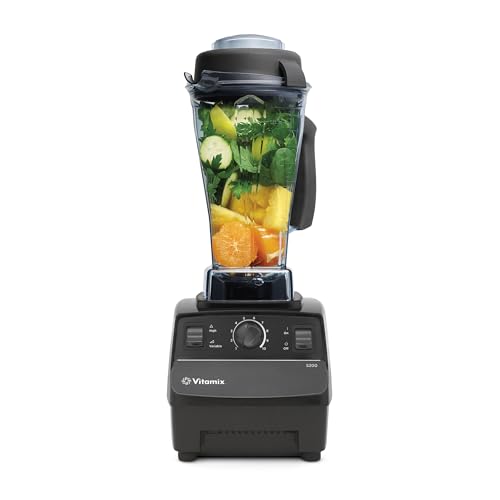
A Vitamix is the same arc one tier up. People burn through $40 blenders that walk across the counter and burn out their motors, then buy a Vitamix and keep it for two decades. The honest caveat: this only makes sense if you actually blend often. Burn through cheap blenders twice a year and the cheap one is fine. Burn through one every year and the math has already made the case for you.
The small stuff that quietly adds up
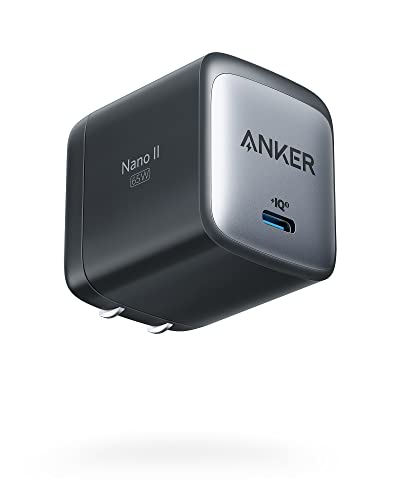
Anker chargers and cables are the clearest small-dollar example. The $5 cables fray and die. The better ones cost a few dollars more and last years. From r/BuyItForLife:
“I’m now sold on Anker products (chargers, extension cords, etc.). Not outrageously expensive, but worth it.”
Here’s the honest part, and it matters. Anker isn’t bulletproof, and some people have moved on. From the same kind of thread:
“I’ve had a few Anker cables die prematurely. They warrantied one so that’s cool, I do prefer UGreen now though. They have really solid metal ends typically.”
So the upgrade from gas-station cables is real, but Anker isn’t the only good answer. UGreen comes up as the contrarian pick worth knowing.
Darn Tough socks are the sock version of the same story. From r/BuyItForLife:
“Socks. I was sick of spending twelve dollars on a pair of wool socks at the farm store and leaving little sock seeds everywhere. Darn Tough convert here.”
The lifetime warranty is the actual case. Wear a hole, send them back, get a new pair. The cheap-sock treadmill stops.
Two more small ones from the same pattern. An instant-read thermometer (Thermapen or ThermoPro) replaces the drawer of cheap probe thermometers that read slow and drift out of calibration. And a headlamp replaces the cheap flashlight you keep losing. The recurring line on the headlamp is “I thought it was dorky, now I use it constantly.” Both are under $40 and both end a small rebuy habit.
When the upgrade is about your body, not your wallet
Some upgrades don’t really pay back in money. They pay back in comfort or health, and the threads are honest about that distinction.
An electric toothbrush is the clearest one. The jump from manual, or from a cheap battery-powered brush, to a real Sonicare is the recurring story. From r/HomeImprovement:
“Philips Sonicare. I remember using it for the first time and feeling like I had just gone to the dentist. I had an inexpensive, battery-powered toothbrush at one time as well, but it didn’t compare to the expensive electric version.”
One honest caveat the threads raise: newer Sonicare models have durability complaints the older ones didn’t. From r/BuyItForLife:
“Had failures in 2 new Sonicares in a period of 12-18 months. Both had issues with the power button failing since it isn’t sealed properly like the old units.”
So buy the toothbrush for the cleaning upgrade, not because you expect it to last 10 years. And you don’t need the top model. The base Sonicare gets recommended as often as the expensive one.
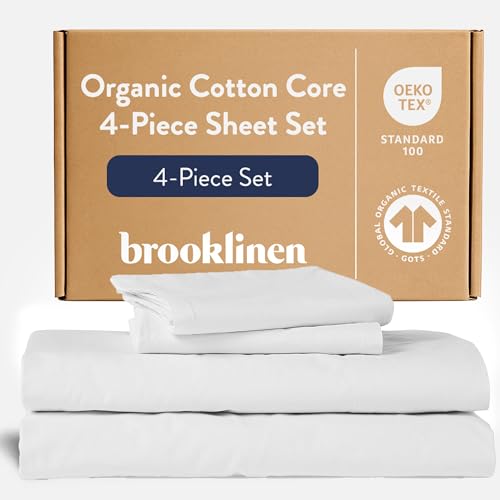
Bed sheets are the other body-not-wallet upgrade. The pattern is mid-range percale cotton, not the most expensive option. People replace scratchy bargain sheets with a decent percale set and sleep better. The upgrade here is small and the threads warn against overspending. A $200 sheet set is not the recommendation.
An office chair is the biggest version of this. People cycle through $80 chairs that break or hurt their back, then buy a used Herman Miller or Steelcase and stop. You sit in it eight hours a day, so the upgrade pays back in your back, not your wallet. The threads are clear on one thing: buy used to soften the price, and a $300 reputable chair covers most people. You don’t need the $1,500 flagship to escape the cheap-chair cycle.
When cheap is actually fine
This is the part most “spend more” articles skip, so here it is plainly. Not every category punishes cheap. Sometimes the budget option is the right call, and the threads say so.
- Air fryers. A $60 model does the same thing as a $200 one for most people. The threads barely distinguish them on performance.
- Rice cookers. The $25 model is the recommendation. Going up-market buys features most people never use.
- Base electric toothbrush. The $20 Sonicare cleans as well as the $200 one. You’re paying for app connectivity and travel cases above that.
- Most kitchen gadgets. Single-purpose tools that get used twice a year don’t justify the upgrade. Buy the cheap one or skip it.
The dividing line is use frequency and built-in failure. If you use it daily and the cheap version expires, upgrade. If you use it rarely or the cheap version lasts, don’t.
How to tell which categories punish cheap
A few quick tests from reading these threads:
Does the cheap version have a built-in expiration? Non-stick coating, cheap sock fabric, thin cables. If failure is designed in, rebuying is a treadmill.
Do you use it every day? A daily item earns the upgrade in months. A rare item never does.
Is the good version actually different, or just pricier? A $40 chef’s knife beats a $10 one in a way you feel daily. A $400 knife over a $40 one is mostly for enthusiasts. Find the rung where the difference is real, then stop.
Have you already rebought it more than twice? That’s the signal. If you’ve replaced the same cheap thing three times, the category is telling you to upgrade.
The other side of the upgrade gospel
One honest counterweight, since this whole article leans toward upgrading. The “I bought the cheap one four times” story is satisfying to tell, and people round up. The cheap thing that quietly lasted fine never becomes a post, so the genre overstates how often budget options actually fail.
There is also a status layer to upgrading that is easy to miss. “Buy nice or buy twice” can shame you into the premium version of things you barely use, which is just overspending with a virtuous label on it. A $300 chef’s knife and a $40 one both end the cheap-knife cycle. Only one of them is about cooking.
So apply the test in the other direction too. Before you upgrade, ask whether you have genuinely rebought the thing more than twice, or whether you are buying the better version because the internet made you feel cheap. The honest upgrades on this list pay back in daily use. The rest is marketing you are doing to yourself.
FAQ
What’s the single best cheap-to-good upgrade for the money?
A cast iron skillet, around $25, replacing the non-stick pan you keep rebuying. It’s the rare upgrade that costs less than what you’re already spending over time, and it lasts for generations.
Are these affiliate recommendations or independent?
The picks come from reading Reddit threads. I don’t take payment from brands to include anything. When the article links to a specific Amazon listing, that’s an affiliate link, and Upvote Picks earns a small commission if you buy through it, at no extra cost to you. The Reddit-signal decision happens first; the Amazon link comes after.
Isn’t this just “buy expensive things”?
No, and the “when cheap is actually fine” section above is the proof. Plenty of categories don’t punish the budget option. This is specifically about the ones where rebuying cheap costs more than upgrading once. Use frequency and built-in failure are the test.
Why does the same product show up in your other articles?
Because a good cast iron pan is genuinely a “wish I bought sooner,” a “buy it for life,” and a “cheap thing I should have replaced” all at once. Same product, different reason to care. Each article looks at it from one angle.
Source notes
The threads behind this list:
- What was the item that made you hop on the buy-it-for-life train? (r/BuyItForLife)
- What’s the highest value item you’ve ever bought? (r/BuyItForLife)
- What new brands or older ones still make high quality? (r/BuyItForLife)
- Disappointed in the declining durability of Sonicare (r/BuyItForLife)
Reddit upvotes aren’t proof. The cheap version is sometimes the right answer, which is why the honest section above exists. The point of this list is to spot the categories where rebuying cheap is the costly habit, and to upgrade those once.
Related guides
For the kitchen upgrades here, see the kitchen tools Reddit actually reaches for, the best budget chef knife, and the gadgets to skip entirely. For tools, the best power tool brand covers the platform decision.