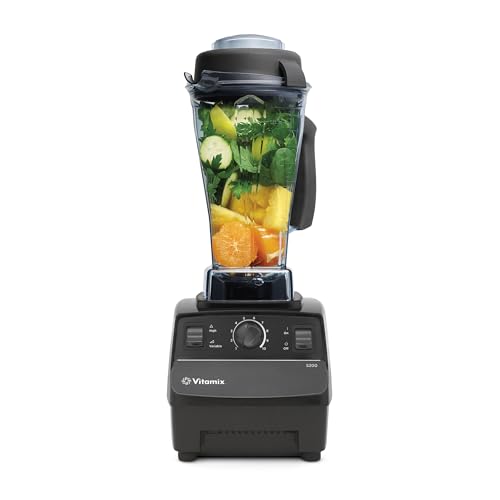
The short answer: a Vitamix is worth it if you blend often and are tired of replacing cheap blenders, and it is not worth it if you make the occasional smoothie. The price ($400 new) is real, but so is the trick to pay far less. Almost the entire debate is about how much you actually use a blender.
A Vitamix shows up in more than 60 high-signal comments across r/BuyItForLife and r/Cooking, and the striking thing is how consistent the owners are. The line that stuck with me was from someone who had it 23 years and still uses it. The more common version is the person who replaced a cheap blender every single year before switching.
The real argument: it ends the rebuy cycle
The strongest case is not the power. It is the math.
The recurring story is someone who burned through a cheap Oster or Ninja every year or two, finally bought a Vitamix, and then simply stopped buying blenders. As one r/BuyItForLife owner put it, they had been “going through a cheap Oster or whatever blenders every year,” then got a Vitamix and ten years on it “blends 5X better than any of them ever did.” Cheap blenders are a subscription you pay every couple of years. A Vitamix is a one-time purchase that outlasts most of your other appliances.
That longevity is the whole value proposition, and owners state it casually. Fifteen years, twenty years, the same machine running daily. People who have worked in professional kitchens point out that the same blender runs all day in restaurants, far harder than any home cook will ever push it. When a $400 purchase lasts two decades, the cost per year stops looking crazy.
When it is not worth it
Here is the honest half. It is still a blender.
If your blending is the occasional smoothie or protein shake, a $50 machine does that fine. One skeptic in the r/Cooking threads rightly pointed out that a Vitamix turns soft ingredients into paste just like anything else. It does not chop, it does not replace a food processor, and the high-end models with smart “bowl-detect” electronics get called unnecessary over and over. If you blend a few times a month, save your money. The Vitamix earns its price through heavy, frequent use, not occasional use.
Who should buy one, and who should skip it
Buy a Vitamix if you make smoothies most days, blend hot soups, grind nut butters, or have replaced two or three cheap blenders already. Frequent use is where the durability and power pay for themselves.
Skip it if your blender lives in a cupboard for the occasional milkshake. A cheap machine is genuinely enough, and the Vitamix’s strengths are wasted on light use.
Where the Reddit signal misleads you
A few honest caveats about the evidence itself, because r/BuyItForLife is not a neutral jury.
Start with survivorship bias. The people posting “still going after 20 years” are the ones whose machine survived. The person whose Vitamix died at year four is not writing a comment. Neither is the one who used it twice and shoved it in a cupboard. So the threads read more glowing than the real ownership average. The durability is real. Just treat the 20-year posts as the best case, not the median.
The buyer most likely to regret it is the resolution buyer. Someone who buys a Vitamix to start drinking daily green smoothies, then makes three and stops. The machine is not the problem there. The habit is. A $400 blender will not build a routine you do not already have, and that is an expensive way to learn it.
I would also push back on one claim that gets repeated in the threads: that a Vitamix replaces a food processor. It does not. It purées beautifully and chops terribly. Want diced onion or a coarse salsa? Buy a food processor. People who expect a Vitamix to do both end up annoyed. Buy it for the one thing it is great at, not as a whole kitchen.
The value move: buy refurbished, skip the fancy model
This is the tip that comes up again and again, and it changes the whole calculation.
Vitamix sells certified reconditioned units directly, with a full multi-year warranty, for well under the price of new. Owners who bought refurbished report being just as happy years later. It is the single best way to get the longevity without paying full sticker, and it quietly fixes the “$400 is absurd” objection.
The second tip: buy the basic, proven model. The classic 5200 is the one people keep naming as the buy-it-for-life pick. Skip the versions with bowl-detect and extra electronics, which are just more to break for features most people never touch.
So the real recommendation is narrower than “buy a Vitamix.” It is: if you blend a lot, buy a refurbished 5200, and the value case is strong.
What to buy instead, if you skip it
You do not need a Vitamix to make a smoothie. A $50 blender handles soft fruit and protein powder, and for occasional use the difference is mostly noise and lifespan, not results. If you only blend now and then, buy cheap and spend the savings on a tool you will use more.
If you are stocking a kitchen and weighing where the money should go, the better first upgrades for most people are cheaper and more universal. We cover them in the kitchen tools Reddit actually reaches for and the best budget chef knife, and the same “is the premium worth it” question plays out with cookware in Lodge vs Le Creuset.
Common questions
Is a Vitamix worth the money? For frequent blending, yes: the durability and power end the cheap-blender rebuy cycle, and owners report 10-20+ years of daily use. For occasional use, a $50 blender is plenty.
How long does a Vitamix last? Owners routinely report 10, 15, even 20-plus years of regular use, which is the main reason the price is defended.
Is a refurbished Vitamix worth it? Owners keep recommending it. Vitamix’s certified reconditioned units come with a full warranty for well below new, and refurb buyers report being just as satisfied.
Which Vitamix model should I buy? The classic 5200 is the recurring pick. The smart “bowl-detect” models are widely considered unnecessary extra electronics.
The buying rule
A couple of caveats, because a recommendation with no caveats is an ad.
It is loud, it is big, and the value rides entirely on how often you reach for it. And prices move, especially on Amazon, so treat any number here as a recent check, and always compare it against the current refurbished price before you buy.
But for someone who blends most days, the owners a decade in almost never wish they had bought cheaper. That, more than any spec sheet, is what the threads keep landing on.