Quick answer: buy tools for how often you’ll actually use them, not for the person you imagine becoming. Start with one decent drill and basic hand tools. Add a brushless drill-and-impact combo on a single battery platform once regular projects justify it. Pay more only for the tools your hand touches every week, and borrow or buy cheap for the rest. The costly mistakes are almost never about picking the “wrong” respected brand.
I kept seeing the same pattern underneath tool-buying threads on r/Tools and r/HomeImprovement: people start with brands when they should start with frequency. The expensive errors are paying pro prices for a tool used twice a year, buying cheap twice on something used every week, and collecting four incompatible battery systems because every starter kit looked like a deal. Here are the rules I’d give someone building a home toolbox from zero.
Buy for frequency, not the person you imagine becoming
A premium tool is usually worth it when three things are true. You already use the cheaper version regularly. The upgrade fixes a problem you can name, like slipping, fatigue, slow adjustment, or repeated failure. And a failure would stop the job or waste real time.
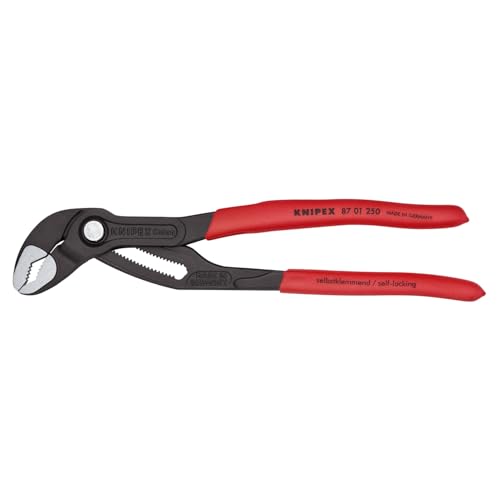
It’s usually not worth it when the purchase is for a future hobby, when the premium only improves a spec-sheet number, or when the tool will spend its life in an emergency drawer. This is why Knipex Cobra pliers can be an obvious buy for someone doing plumbing every day and pure indulgence for someone who tightens one fitting a year. The better tool is real. The value only shows up through use.
Pick a battery system before you pick a drill
A cordless drill is the first payment on a battery platform. The saw, blower, vacuum, inflator, and specialty tools that follow are the real commitment. So choose the ecosystem, not the drill.
The cleanest split owners describe:
- Ryobi for broad, affordable homeowner use: weekend projects, yard work, and occasional tools that don’t need to survive a jobsite. As one r/Tools owner put it: “As a homeowner: Ryobi is the best value and more than the performance you’ll need.”
- DeWalt for the contractor-grade default: heavy DIY, remodeling, and general construction, when you want to step above homeowner gear without building around a specific trade.
- Milwaukee for specialty depth and daily work: when mechanic or contractor tools matter, when compact M12 tools solve a real problem, or when the platform earns money every day.
For the full breakdown, see Ryobi vs Milwaukee and the best power tool brand guide.
Two platforms chosen on purpose can control costs: a serious platform for hard-use core tools, Ryobi for occasional gadgets. Four systems accumulated through sales just create a charger drawer. One r/HomeImprovement owner runs exactly that split: “I have Milwaukee for the main tools and Ryobi for random stuff I don’t use a lot… Honestly Ryobi is fine for home use.” The test is simple. Does the saving on the next few tools justify another battery and charger?
Drill or impact driver?
For light household work, one drill is enough. It makes holes, drives ordinary screws, and the clutch gives you control for furniture and delicate work. You probably only need a drill for pictures and shelves, flat-pack furniture, occasional small holes, and a few short screws at a time.
For regular projects, buy the combo. The drill handles clean holes and controlled fastening. The impact handles long screws and stubborn fasteners without fighting your wrist. As one r/Tools owner warned: “A drill will break your wrist when the torque suddenly gets too high. An impact driver won’t.”
You’ll want both for decks, fences, framing, long construction screws, and any project that keeps alternating between drilling and fastening. “Everyone needs both” is enthusiast advice. A combo is sensible for active DIY, not a requirement for owning a home. The deeper case is in drill vs impact driver.
Spend where your hand meets the work
The best hand-tool upgrades improve grip, control, adjustment, or comfort. That’s where money turns into a difference you feel.
For adjustable pliers, Knipex Cobra earns the premium through faster adjustment and a stronger grip on stubborn fittings. Channellock stays the honest home-toolbox answer when use is occasional. One owner who runs both summed it up: “I wouldn’t trade my Knipex for anything. However, Channellock makes a better hammer.” The full split is in Knipex vs Channellock.
For screwdrivers, Klein is the durable tool that lives in a bag and covers common jobs. Wera makes more sense on a bench, where tip fit, small fasteners, and long-session comfort matter, which is the whole case in are Wera screwdrivers worth it. The useful question isn’t “which brand is best?” It’s “where will this tool live, and what will it touch?”
A starter kit that grows with real work
Start here: one cordless drill, useful bits, a tape measure, a utility knife, an adjustable wrench, basic pliers, a multi-bit screwdriver, a hammer, and eye protection. That covers most of what a home actually asks for.
When regular projects justify it, add an impact driver, a second battery, a circular saw when repeated cuts show up in a real project, and a better version of whichever hand tool annoys you most. Only after repeated heavy use should you standardize a pro battery system or add specialty gear.
Don’t start with the rolling chest. Don’t buy the 12-tool bundle because the per-tool price looks good. Unused tools aren’t savings.
Seven questions before buying the next tool
- What job will I use it for this month?
- Can something I already own do that job safely?
- How often will I use it after this project?
- What exact annoyance or failure am I paying to remove?
- Does it lock me into batteries or accessories?
- Could I borrow or rent it for the first job?
- If the cheap version fails, what would that failure cost me?
If there’s no answer to question one, wait. If there’s no answer to question four, skip the premium.
The takeaway is simple. Buy cheap to discover what you actually use, then buy better when use exposes a specific limit. Spend where grip, control, reliability, or downtime matters. Save where the tool is occasional and easy to replace. What would you change, and which tool convinced you to pay up the moment you used it?