“Buy it for life” gets used loosely. People say it about things they’ve owned for two years and like. The threads that actually mean it are different. Someone shows up with a cast iron pan their grandmother bought in the 1940s, or a Craftsman ratchet older than they are, and explains why it still works.
This article is about that second kind. I read through the durability threads, the ones where owners count years and decades instead of months, and pulled the products that kept coming up with real longevity stories attached. It leans heavy on tools. That’s where the buy-it-for-life conversation gets most serious and most specific.
A note before the list: “lasts forever” and “worth your money” aren’t the same claim. Some genuinely durable things still aren’t worth it for most people. I’ve tried to flag that where it comes up.
Key takeaways
- Tools are where BIFL is most real. The deepest longevity stories, the lifetime warranties that actually get honored, the 40-year-old hand tools still in daily use.
- Cast iron is the cheapest buy-it-for-life purchase you can make. A $25 Lodge skillet outlasts $200 of non-stick pans, and people own them for generations.
- “Lifetime warranty” has fine print. Craftsman and Darn Tough honor theirs cleanly. Le Creuset’s is more complicated than buyers expect. The difference matters before you spend.
- Durable doesn’t mean right for you. A Vitamix lasts 25 years, but only earns its cost if you actually blend often.
Tools: where buy-it-for-life is most serious
If you want to see the buy-it-for-life mindset at its most specific, read r/Tools. People there track which brands hold up under daily professional abuse, which warranties get honored, and which old tools still beat new ones.
The power tool platform decision
The recurring advice isn’t “buy the best brand.” It’s “pick a battery platform and stay in it.” Milwaukee, DeWalt, and Makita came up most. The honest version of the comparison, from r/Tools:
“I have Milwaukee for my home stuff and Makita for work. The tool diversity Milwaukee has puts it in a great spot, but I’ve abused those Makita tools and they continue to work perfectly year after year.”
Milwaukee shows up most overall, especially for the M18 platform and hand tools. DeWalt is the most-recommended alternative, and the threads consistently point out it’s available at more retailers, which means more deals. Makita is the quiet favorite among people who actually use tools for work. Ryobi is the homeowner pick: nobody claims it’s professional-grade, but for someone doing weekend projects, the threads agree it’s fine and cheap to get into.
Bosch is the fifth name, and it splits opinion. The blue pro line gets real respect. The green DIY line, less so. People name it for specific tools, jigsaws and routers especially, more than as a platform to buy into.
The practical takeaway from dozens of these threads: for a homeowner, Ryobi is enough. For someone who uses tools hard, Milwaukee or Makita. The platform matters more than the brand badge. The batteries are the expensive part, so the first one locks you in.
Hand tools that outlive their owners
This is where the BIFL stories get genuinely old. Craftsman hand tools came up constantly, almost always tied to the lifetime warranty. The catch worth knowing: the warranty quality changed after the brand changed hands, so vintage Craftsman and new Craftsman aren’t the same promise. But the old stuff is legendary for a reason.
Knipex is the one brand r/Tools treats as close to sacred. The Pliers Wrench in particular gets described as a tool that replaces several others. From an electrician on r/Tools:
“I work at a facility with 60-70 mechanics. The Snap-on guy and the Matco guy come by every week. I lost one of my Knipex channel locks and jumped on the Snap-on truck. The ones I need go for $35-45 at every tool supplier.”
The point of that quote: Knipex sits at a price most people can reach, while the truck brands (Snap-on, Matco) cost multiples more for similar quality on hand tools. Klein and Festool round out the serious end, Klein for electrical work, Festool for woodworking dust collection that people defend despite the eye-watering prices.
Kitchen: the things that last generations
Cast iron is the cheapest BIFL purchase there is
Nothing in the whole set has a better durability-to-price ratio than cast iron. Lodge specifically, because it’s cheap and it’s everywhere. The quote that sums up the entire category, from r/BuyItForLife:
“The coating on a non-stick pan will fail, rendering the pan garbage. We have cast iron cookware pieces that are between 60 and 100 years old, and will outlast us. Lodge is an inexpensive, reputable brand that has been around since the 1800s.”
A $25 Lodge skillet is both the cheapest option and the buy-it-for-life option at once. There’s no upsell here. The expensive cast iron (Smithey, Field) is smoother out of the box. But a Lodge seasons into the same thing after a year of cooking.
The cookware people pass down
Le Creuset is the most-discussed enameled cast iron, and the threads are full of 25-year ownership stories. From r/BuyItForLife:
“I’ve been using multiple Le Creuset for 25 years and never had an issue.”
But here’s the honest part, and it’s important. The “lifetime warranty” is not what most buyers think. Another comment in the same thread:
“Myself and several of my friends and family have sent in our old Le Creusets for warranty, either due to normal wear and tear over 10+ years or thermal shock. All of our warranty claims were technically denied.”
So: the product is durable, the enamel can still chip or crack, and the warranty is more limited than the marketing implies. Buy it because you’ll use it for decades, not because you think the warranty covers everything.
Stainless steel pans (All-Clad most-named) and a Victorinox chef’s knife are the two other kitchen items that show up in the “still using it 20 years later” threads. The knife is the standout value: around $40, and people keep them for a lifetime.
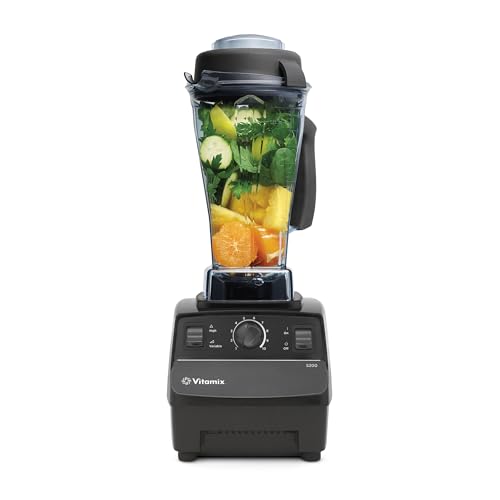
A Vitamix is the splurge that earns the BIFL label, with a recurring joke that tells you how seriously owners take it. From r/BuyItForLife:
“My ex bought a Vitamix using my credit card. I was furious when I found out how much it cost. I’ve had it for about 23 years now and I absolutely love it.”
The honest caveat on the Vitamix: 23 years of value only happens if you blend often. For a casual user, a $50 blender is the right call, and nobody in the threads disagrees.
Pyrex glass containers are the quiet BIFL kitchen pick. They don’t stain, they don’t absorb odors, and they go in the dishwasher. Worth one note: older Pyrex (borosilicate) and newer Pyrex (soda-lime) handle thermal shock differently, so the vintage stuff some people swear by isn’t identical to what’s on the shelf today.
The last kitchen one is small and easy to miss. An instant-read thermometer, almost always a Thermapen or ThermoPro, shows up in the cooking threads as a tool people keep for years and wonder why they waited. It isn’t durable in the cast-iron sense, but the good ones outlast a drawer of cheap probe thermometers, and the accuracy is the point.
Home and office: the things you sit and sleep on
Two more BIFL categories that aren’t kitchen or tools, both about things you use every single day.
A good office chair is the most-defended big-ticket BIFL purchase outside of appliances. Herman Miller and Steelcase are the names. People buy them used to soften the price, then sit in the same Aeron 15 years later. The case is simple. You sit in it 8 hours a day, and a bad chair costs you in back pain, not just dollars. One honest caveat. A $300 chair from a reputable brand covers most people. You don’t need the $1,500 flagship.
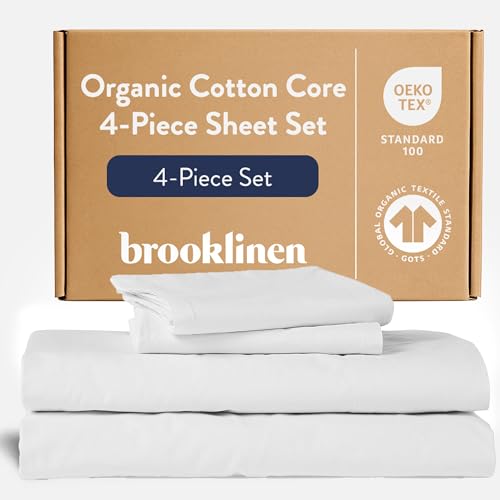
Bed sheets are the sleep version. The pattern here is the opposite of “buy the most expensive”: people consistently land on mid-range percale cotton, not the priciest thread-count marketing. A decent percale set lasts years and sleeps better than bargain-bin sheets. The upgrade is real, the overspend is not.
Clothing: where the warranty is the whole point
Darn Tough socks are the clearest clothing BIFL pick. The reason is simple. The lifetime warranty actually works. Wear a hole in them, send them back, get a new pair. The math is the whole case. The threads are full of people who replaced cheap socks for a decade before switching and never went back. It shows up next to the durable-goods canon, from r/BuyItForLife:
“Darn Tough, Lodge, several boot companies, Flint and Tinder underwear.”
That comment is a decent one-line summary of the soft-goods BIFL list on its own.
How to tell real BIFL from nostalgia
A few patterns I noticed for separating the genuine signal from the noise:
The owner counts in decades, not months. “I’ve had this 15 years” is a real BIFL signal. “I love this, bought it last spring” is a happy customer, which is different.
Lifetime warranty only counts if it’s honored. Craftsman (vintage) and Darn Tough honor theirs cleanly. Le Creuset’s is narrower than buyers expect. Check the complaint threads, not the marketing page.
“Used to be good” is a real category. Several brands get recommended on reputation that no longer matches the current product. Craftsman after the ownership change is the clearest example. When a thread argues about whether the new version is as good as the old one, take that disagreement seriously.
Durable and worth-it are separate questions. A Vitamix lasts 25 years and is still the wrong buy for someone who blends twice a year. The buy-it-for-life label answers “will it last,” not “should you get one.”
The bias baked into buy-it-for-life
r/BuyItForLife is not just a product list. It is a philosophy, and that shapes the recommendations in ways worth naming out loud.
The community runs on “buy once, cry once.” That is great advice for the boots you wear daily and bad advice for the gadget you use twice a year. Because the whole sub leans anti-disposable, it can nudge you toward the expensive durable version of things where the cheap one was genuinely fine. Durability gets treated as a virtue there even when it is not the thing you actually need.
There is also heavy survivorship and nostalgia. “They don’t make them like they used to” is half true and half rose-tinted. The toothbrush or the wrench that lasted 20 years is the one still around to photograph. The duds got tossed and forgotten. And several beloved brands have quietly declined since the stories were written, so a rave built on a tool bought in 1995 may not describe the one on the shelf today. Trust the pattern across many owners. Distrust the single heirloom anecdote.
FAQ
What’s the single best buy-it-for-life purchase for the money?
A Lodge cast iron skillet, around $25. It’s both the cheapest option in its category and the one people own for generations. Nothing else in the set matches that durability-to-price ratio.
Are these affiliate recommendations or independent?
The picks come from reading Reddit threads. I don’t take payment from brands to include anything. When the article links to a specific Amazon listing, that’s an affiliate link, and Upvote Picks earns a small commission if you buy through it, at no extra cost to you. The Reddit-signal decision happens first; the Amazon link comes after.
Why are the power tool brands listed without a single recommended model?
Because the buy-it-for-life decision for power tools is the battery platform, not one specific drill. Once you pick Milwaukee or Makita or Ryobi, you buy into that brand’s batteries and add tools over time. The starter-kit links point to a reasonable entry point, but the platform is the real choice.
Is new Craftsman as good as old Craftsman?
No, and the threads are clear about it. The brand changed hands and the warranty experience changed with it. Vintage Craftsman hand tools are legendary. New Craftsman is fine but doesn’t carry the same promise. If you inherit old ones, keep them.
Source notes
The threads that shaped this list:
- What was the item that made you hop on the buy-it-for-life train? (r/BuyItForLife)
- What pricey item did you buy and never regretted it? (r/BuyItForLife)
- Buyer Beware: Le Creuset (r/BuyItForLife)
- Are expensive tool brands really worth it? (r/Tools)
- Adam Savage recommends buying the cheapest tool possible (r/Tools)
Reddit upvotes aren’t proof. A product can last decades and still be wrong for your situation. The point of this list is the durability signal, which is the part that’s genuinely hard to find on the first page of Google.
Related guides
Several picks here have full breakdowns: the best power tool brand and drill vs impact driver for the tools, Lodge vs Le Creuset and is a Vitamix worth it for the kitchen, plus the best budget chef knife.