Quick answer: an Instant Pot is a fast, do-everything electric pressure cooker that also sautés, steams, and makes rice and yogurt. A slow cooker does one thing, low and slow all day, and does it dead simple. Buy the Instant Pot if you want speed and one appliance that replaces several. Buy the slow cooker if you leave the house at dawn and want dinner waiting when you get home. Both come up constantly in our database, and a lot of people quietly own both.
I read through the r/Cooking, r/Frugal, and r/AskReddit threads where this gets argued, and the split is cleaner than the brand-war framing suggests. These aren’t really rivals. They solve two different problems, and the honest answer is about your schedule, not the machine.
What each one actually does
An Instant Pot is a multicooker built around pressure. It cooks dried beans, tough cuts, and whole meals in a fraction of the stovetop time, then does double duty as a rice cooker, steamer, sauté pan, and yogurt maker. Instant Pot alone shows up in more than a hundred comments across our corpus, most of them some version of “life-changing.”
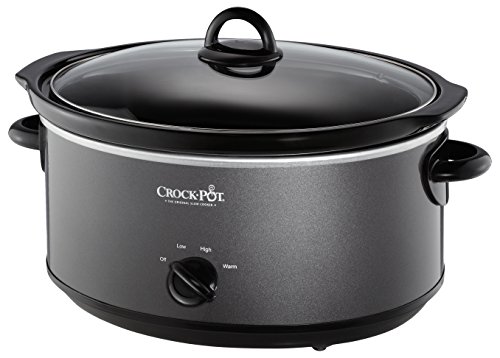
A slow cooker, the classic Crock-Pot, does the opposite. It holds a low temperature for six to ten hours so a cheap cut turns tender while you’re at work. No pressure, no programs, no learning curve. You put food in, turn it on, and leave.
The cleanest summary of the difference came from an r/Cooking thread literally titled “slow cooker or insta pot”: “An Instant Pot doesn’t maintain a consistent temperature for slow cooking. It’s a good pressure cooker, but if you want to mainly do slow cooking, get a proper slow cooker.” That one line decides most of this for most people.
Buy an Instant Pot if you want speed and versatility
The case for the Instant Pot is that it collapses several appliances into one and it’s fast. One owner in an under-$50 life-changing-purchase thread kept it simple: “Instant Pot. If you never used a pressure cooker before they are life changing.”
The real draw is that it makes cooking from scratch feel low-effort. From a frugal-item thread: “I’m much more likely to cook from scratch knowing that it will do the job as fast or faster than the stove top and I don’t have to watch it.” Another owner uses the pre-programmed settings for hands-off batch cooking: “set and forget a lot of things given the pre-programmed settings and safety features. I’m able to use a lot of cheaper and dried ingredients.” Dried beans in an hour instead of an overnight soak is the frugal argument in one sentence.
And it flexes. People use theirs as a rice cooker, for hard-boiling whole cartons of eggs, for stock from a rotisserie carcass. If you want one box on the counter that covers a dozen jobs, this is it.
Buy a slow cooker if you want true set-and-forget
The case for the slow cooker is the morning-to-evening gap. It’s the appliance for people whose problem isn’t speed, it’s not being home. The best version of this came from a single parent in a frugal thread: “a crock pot is necessary for working people such as myself… to drop food in first thing in the morning, then when I get home, dinner is done. I leave for work at 530am and I’m not home until 5pm.” An Instant Pot can’t fill a ten-hour window. A slow cooker is built for exactly that.
It’s also the simpler, cheaper tool, and people keep them forever. One owner mentioned having the same crock pot for decades. The payoff is real too: another said a slow cooker “allowed me to cut my restaurant visits to once a month.” The whole pitch, from an r/AskReddit best-purchase thread, is this blunt: “Throw shit in. Turn on. Go about your day. Then boom! Bomb food.”
If your obstacle to cooking is a long workday, not a busy evening, the slow cooker wins outright.
The honest knocks on each
The Instant Pot’s knock is that it isn’t actually great at slow cooking, despite having a slow-cook button. That’s the r/Cooking verdict above: it doesn’t hold a gentle temperature the way a dedicated cooker does. It also has a learning curve, and it isn’t as hands-off as it sounds since it takes time to come up to pressure and release. For some people it simply does too much, and the manual sits in a drawer.
The slow cooker’s knock is that it’s a one-trick appliance that eats counter space. One frugal-minded owner was blunt about theirs: “It’s quite big & heavy & quite restrictive,” and they only pull it out when the oven breaks. It’s slow by design, and it needs you to think about dinner before you leave in the morning. Forget to load it at 7am and it can’t save the evening the way a pressure cooker can.
So which one?
If you cook at night and want one appliance that does the most jobs fast, the Instant Pot is the pick. It’s the more versatile tool, and the “cook from scratch on a weeknight” crowd rarely regrets it.
If you’re out of the house all day and want dinner ready at 5pm with zero attention, the slow cooker is the pick, and it costs less. For the leave-at-dawn schedule, nothing else does the job.
And the quiet consensus in the threads is the same as most of these debates: plenty of people own both, because they solve different problems. The Instant Pot handles the fast weeknight cook. The slow cooker handles the all-day one. If you can only buy one, let your schedule decide, not the spec sheet.
If you mostly want the rice half of what a pressure cooker does, a dedicated machine does it better and cheaper: see is a rice cooker worth it. If what appeals to you is hands-off weeknight cooking in general, an air fryer solves a different slice of the same problem.
FAQ
Can’t the Instant Pot just do slow cooking too? It has a slow-cook setting, but owners in r/Cooking say it doesn’t hold a steady low temperature as well as a dedicated cooker. If slow cooking is your main use, a real slow cooker does it better and cheaper.
Which is more frugal? Both pay for themselves by getting you cooking at home instead of ordering out. The Instant Pot edges it on speed and dried-ingredient cooking, the slow cooker on price and simplicity. Either one beats DoorDash.
Do I really need both? No, but many people end up with both because they cover different situations: fast pressure cooking at night versus hands-off cooking all day. Start with the one that fits your schedule, and add the other later only if you hit its limit.