Induction is worth serious consideration if you are replacing an electric range or remodeling a kitchen. The owner comments are unusually enthusiastic about speed, temperature response, cleanup, and how little heat escapes into the room. But a full range is an expensive way to discover that you dislike the sound, controls, or cookware requirements.
The low-risk answer is to buy or borrow a single portable induction burner first.
What converts people
The most useful comments come from people who have lived with more than one fuel. One r/Cooking owner went from coil to gas to induction, back to gas, and then chose induction again during a remodel. Even their initially skeptical partner complained when they temporarily returned to gas.
Another owner describes the everyday difference more clearly: water reaches a boil quickly, melted butter can sit at low power without browning, and after seven years they would not go back.
Those are the advantages that survive beyond a showroom demonstration:
- fast changes when the setting moves;
- less waste heat around the pan;
- a flat surface that wipes clean;
- no open flame;
- low settings that can be easier to repeat.
Owners who miss gas generally miss the flame itself: charring peppers, toasting a tortilla directly, or seeing heat at a glance. One induction convert said the drawbacks were manageable with flexibility and a kitchen torch. Whether that feels sensible or absurd tells you something about which camp you belong in.
The portable-burner test
A countertop burner is not identical to a full premium range, but it answers the behavioral questions cheaply. An r/Cooking commenter recommended one during a kitchen renovation and predicted it would remain useful after the main kitchen returned. Other comments put basic portable units below $100.
Use one for the meals you actually cook. Does it hold the low setting you need? Do the fan and electronic pulse bother you? Are your favorite pans compatible? Does wiping one flat surface feel as valuable as owners claim?
If the answer is yes after a month, the full-range decision is much less speculative. The portable burner can later become overflow capacity, an outdoor summer station, or temporary cooking equipment during another renovation.
The costs hidden behind the range price
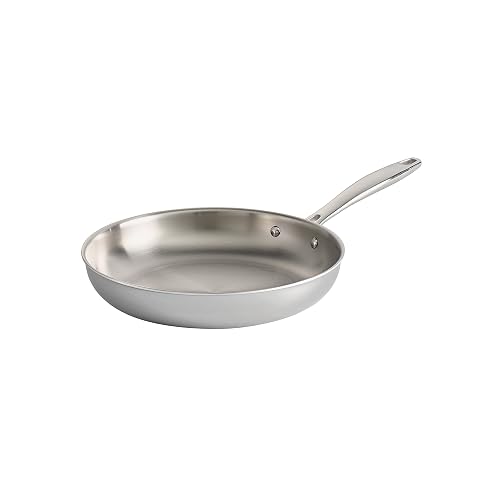
Cookware is the obvious one. A commenter who wanted induction but was satisfied with a glass-top stove identified the main downside as possibly replacing incompatible pans. Test the base of each pan with a magnet before assuming the whole cabinet must go. Many stainless and cast-iron pieces already work; some aluminum cookware does not unless it has a compatible base.
Electrical capacity and installation are house-specific. One HomeImprovement owner runs an EV charger, heat pump, and induction range without tripping a 100-amp main, but correctly added that results vary. That anecdote is not permission to skip an electrician’s load calculation.
Repair cost is the less visible objection. In a gas-versus-induction thread, one commenter described a family member facing a large control-board repair on an expensive induction stove and preferred gas partly because it was simpler to service and could operate during an outage. That is a real tradeoff: induction’s cooking surface is simple, but its electronics are not.
Who should switch
Switch from an old coil or basic radiant electric range if you already need replacement. This is where owners describe the largest improvement.
Choose induction during a remodel if fast control, a cooler room, and cleanup matter more than cooking over a visible flame.
Test first if you have beloved cookware, are sensitive to fan noise, or have never cooked on induction.
Keep gas if open-flame techniques, outage cooking, and locally simple repairs are central to how you use a stove. The purpose is not to win a fuel argument. It is to choose the interface you want to use every day.
FAQ
Does induction require new cookware?
Only if your current cookware is not magnetically compatible. Test each pan before budgeting for replacements.
Is induction better than gas?
Owners praise speed, control, cleanup, and reduced room heat. Gas still offers a visible flame, direct charring, and simpler operation during some outages.
Can I try induction without replacing my range?
Yes. A portable countertop burner is the sensible first step and remains useful as an extra cooking zone.